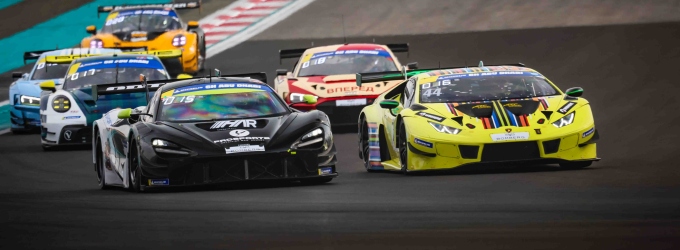
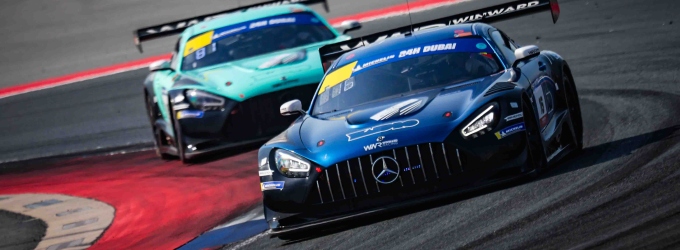
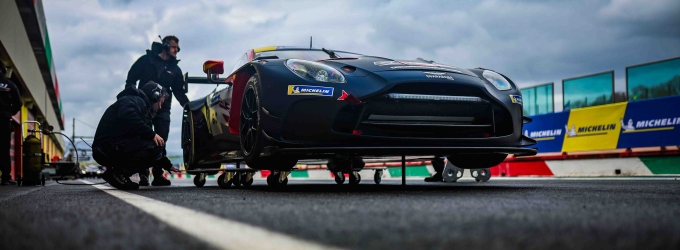
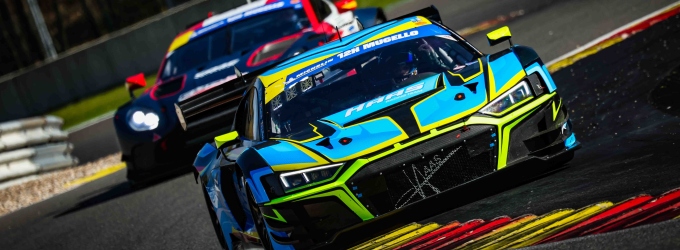
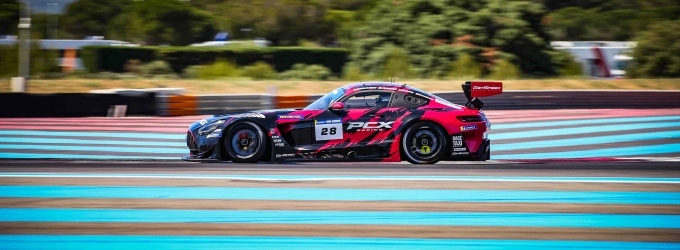
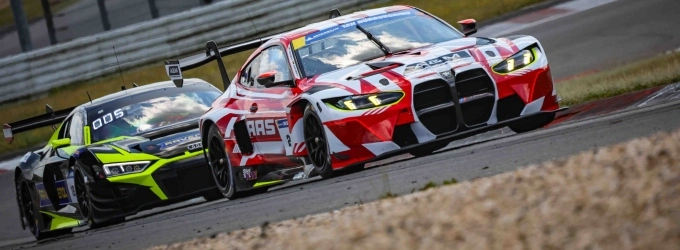
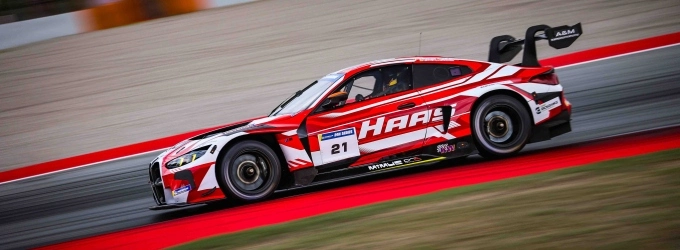
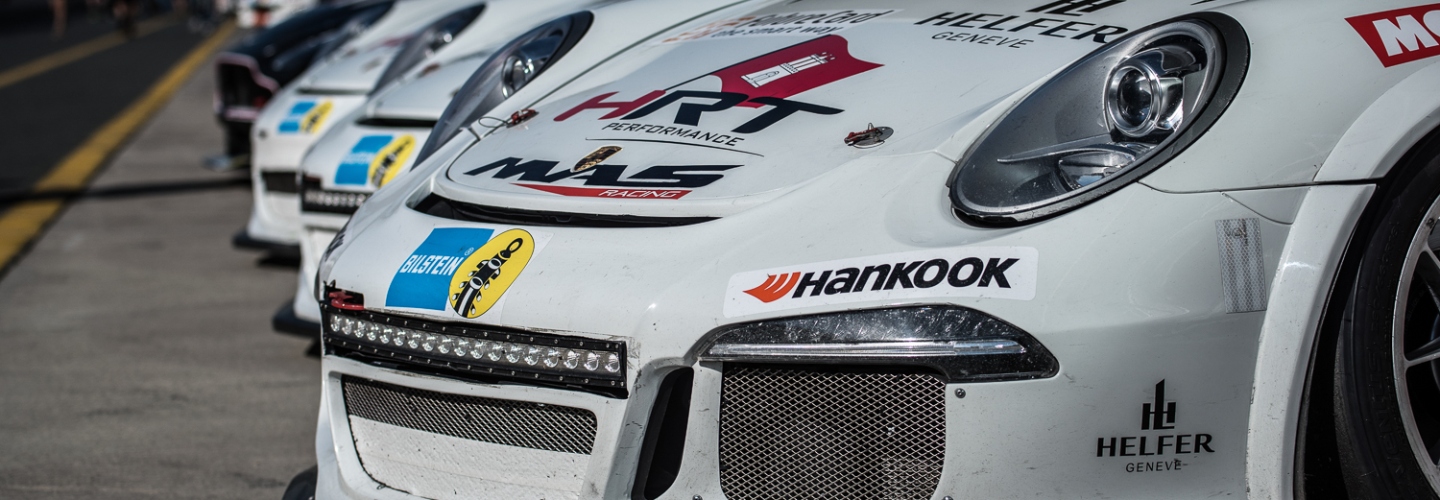
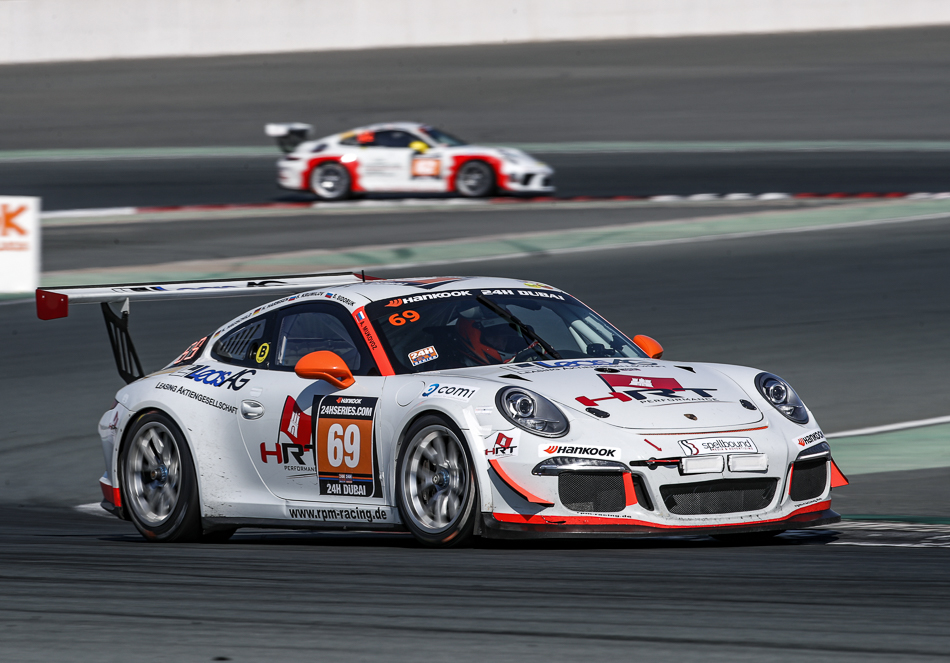
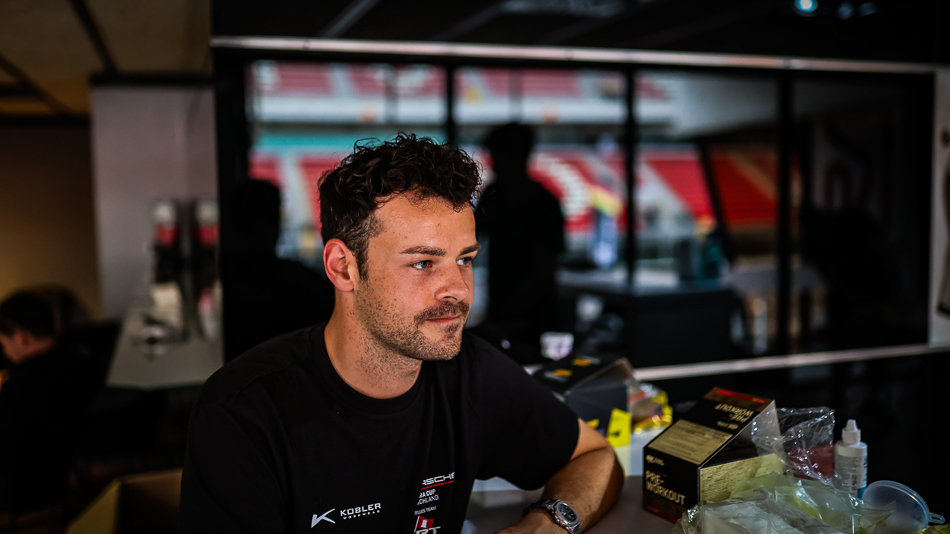
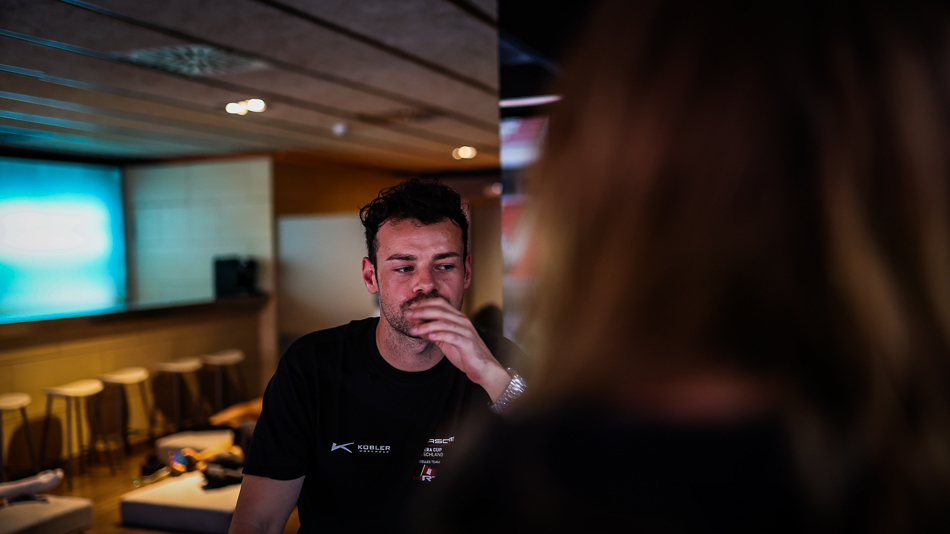
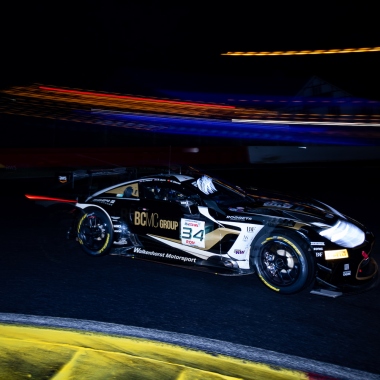
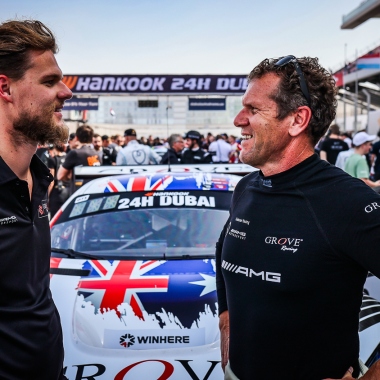
Were the learning curve of a brand-new endurance event not daunting enough, HRT, ambitiously, opted to run three Aston Martins on its first outing in Dubai too. Logistical headaches aside, Kim is adamant that a multi-car line-up provides the team with strategic benefits that a single car simply cannot…
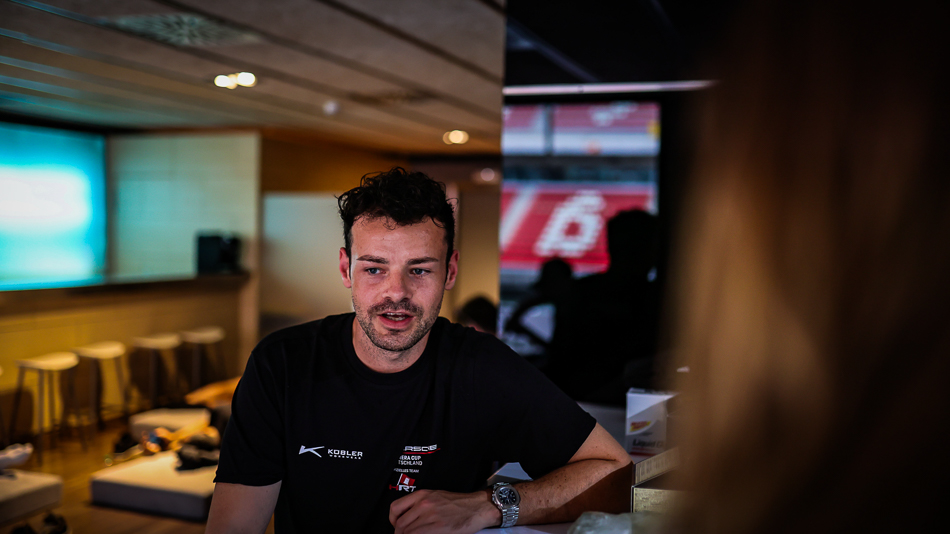
“In general, it just makes more sense to have at least two or three cars, because you can share spare parts and part of the crew, like the technical direction and team management. Also, if you want to try different things with your setup, that of course helps a lot too. In the end, I’d say it’s not ideal to run just one car.
“But it also depends on the team and what’s possible for them, because the most difficult thing with a two or three-car line-up is finding customers and drivers. But if you can freely choose? It’s much more work, but it’s beneficial, in many different areas, to run multiple cars.”
Given that HRT has run one (2017, ’18, and ’20), two (’15, ’19 and ‘21), three (’12 and ’16), four (‘22) and even an unprecedented FIVE (‘23) car line-up at the event over the years, we’re intrigued: what’s the optimum number of cars a team ‘should’ run at the Hankook 24H DUBAI?!
“The perfect amount of cars, to make things easy and smooth without having much experience… is… tricky!” – Kim flashes us a non-committal smile. – “It increases the risk that some things won’t go as smoothly as you want them to, and you really need to have a lot of good people you’ve worked with for a long time if you want to run more than two cars.”
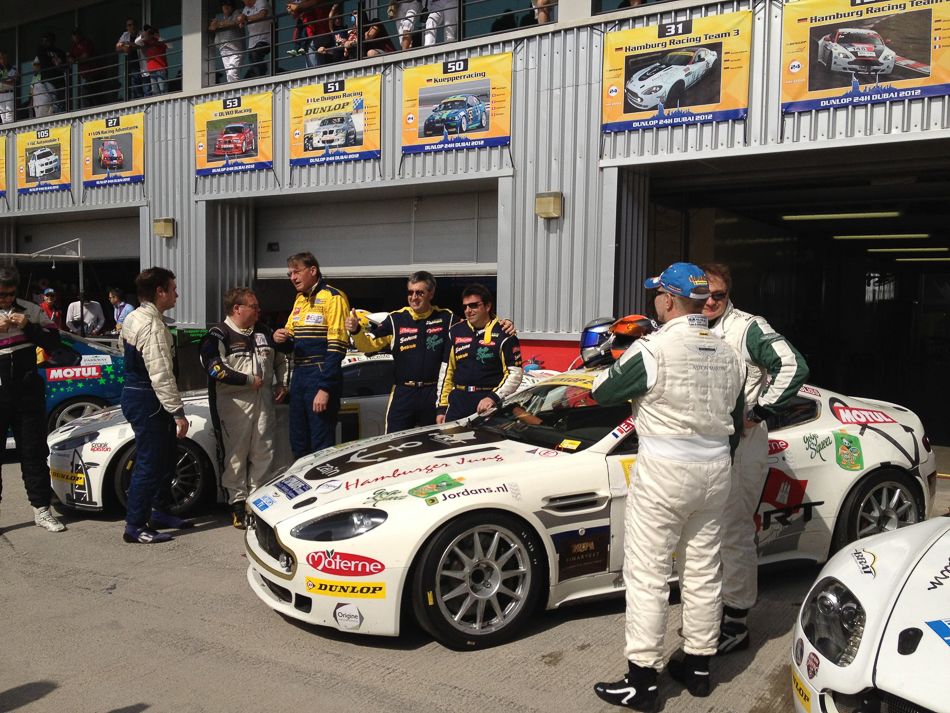
Overheating issues sadly blighted ‘Hamburg’s trio of Aston Martins in 2012, and while all three did eventually cross the line, two of them did so in an underwhelming 18th and 19th in-class. Kim’s #125 entry meanwhile, despite an engine temperature spike very early on and a general lack of straight-line speed against the Ginetta G50s with which it was competing, was in contention for an SP3-GT4 podium during the night until a ruptured oil line in the gearbox lost the team two hours.
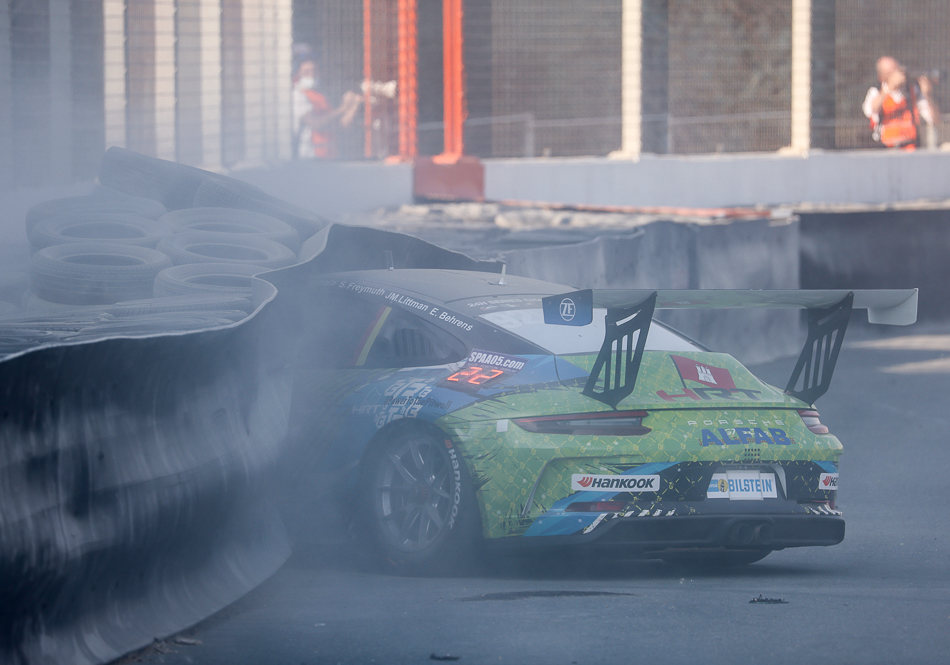
“It doesn’t matter how well you plan everything, when the race starts, things can happen, and it’s always about how you react to that. You can have contact during the first hour, and then your setup is all over the place, but you still need to deal with that for another 23 hours. That’s just the endurance ‘spirit.’ Whatever happens to you, keep going and try to fix it, because bad luck can happen to everyone. You always keep fighting because you never know where you might end up at the finish.”